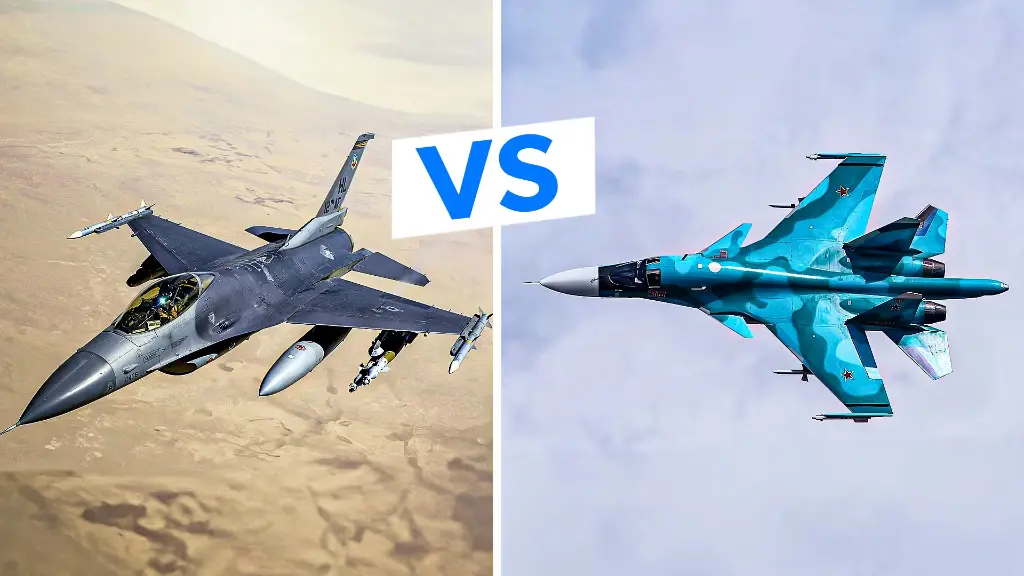
The Cold War skies became a testing ground for competing ideologies and technologies, where American and Soviet fighter jets clashed in dramatic aerial combat that would shape military aviation for generations.
The First Jet Duel: Korea’s MiG Alley
The Korean War (1950-1953) witnessed the world’s first jet-versus-jet air combat. The skies over Northwest Korea, nicknamed “MiG Alley,” became the stage for historic duels between the American F-86 Sabre and Soviet MiG-15.
- F-86 Sabre: Featured superior radar gunsight, better high-speed handling, and more experienced pilots
- MiG-15: Boasted better climb rate, higher service ceiling, and heavier armament (23mm cannons vs. .50 caliber machine guns)
- Result: F-86s achieved a kill ratio of approximately 10:1, attributed largely to better pilot training and tactics
Vietnam: Missiles vs. Guns Doctrine
The Vietnam War (1955-1975) revealed unexpected shortcomings in American air combat doctrine. The advanced F-4 Phantom II, designed for beyond-visual-range missile engagements, often found itself in close-range dogfights against more agile North Vietnamese MiG-17s and MiG-21s.
- Early F-4s lacked internal cannons, relying solely on missiles that performed poorly in close engagements
- Soviet-designed MiGs excelled at visual-range dogfighting with their cannon armament and maneuverability
- The US response was the creation of the Navy’s TOPGUN program and the addition of gun pods to Phantoms
Cold War Incidents and Proxy Conflicts
Beyond major wars, US and Soviet aircraft frequently encountered each other in dangerous incidents throughout the Cold War:
- 1967 Six-Day War: Israeli Air Force (using primarily French and American aircraft) decimated Arab air forces (flying Soviet MiGs) on the ground and in air combat
- 1973 Yom Kippur War: Israeli F-4s and Mirage IIIs engaged Syrian and Egyptian MiG-21s in large-scale air battles
- Cold War Incidents: Numerous intercepts and close encounters between US and Soviet aircraft often turned hazardous, with several incidents resulting in losses
Design Philosophy Comparison
The fundamental differences in US and Soviet aircraft reflected their distinct military doctrines and strategic needs:
- American Design: Emphasis on technology, pilot comfort, long-range capability, and versatility
- Soviet Design: Focus on simplicity, high performance in specific missions, ease of maintenance, and mass production
- Electronic Warfare: US invested heavily in advanced radar and electronic countermeasures, while Soviet designs initially prioritized raw performance
Frequently Asked Questions
Which side had better aircraft?
Neither side maintained a consistent advantage. US aircraft typically featured more advanced technology, while Soviet designs often excelled in specific performance metrics and were simpler to maintain.
Did US and Soviet pilots ever directly fight?
Yes, most notably during the Korean War, where Soviet pilots flying MiG-15s engaged American F-86 Sabres, though both sides maintained plausible deniability about direct involvement.
What was the most lethal Cold War fighter?
The American F-15 Eagle maintains an undefeated record of 104 air-to-air kills with no losses. On the Soviet side, the MiG-21 became the most-produced jet fighter in history and saw combat in numerous conflicts.
How did these air duels influence modern aircraft?
The lessons learned from these engagements directly led to the development of modern fighter generations, emphasizing both beyond-visual-range capability and close-in dogfighting agility.
Conclusión
The aerial duels between American and Soviet aircraft during the Cold War were more than just military engagements—they were tests of competing technological philosophies and strategic doctrines. While each side enjoyed periods of advantage, the constant competition drove unprecedented innovation in aviation technology. The legacy of these air duels continues to influence fighter design, pilot training, and air combat tactics to this day, demonstrating how the Cold War’s aerial rivalry fundamentally shaped modern air warfare.