Compare fighter jet generations from first to fifth, analyzing differences in speed, radar, armament, and stealth. Explore how MiG-15, F-4 Phantom, F-16, and F-35 shaped military aviation.
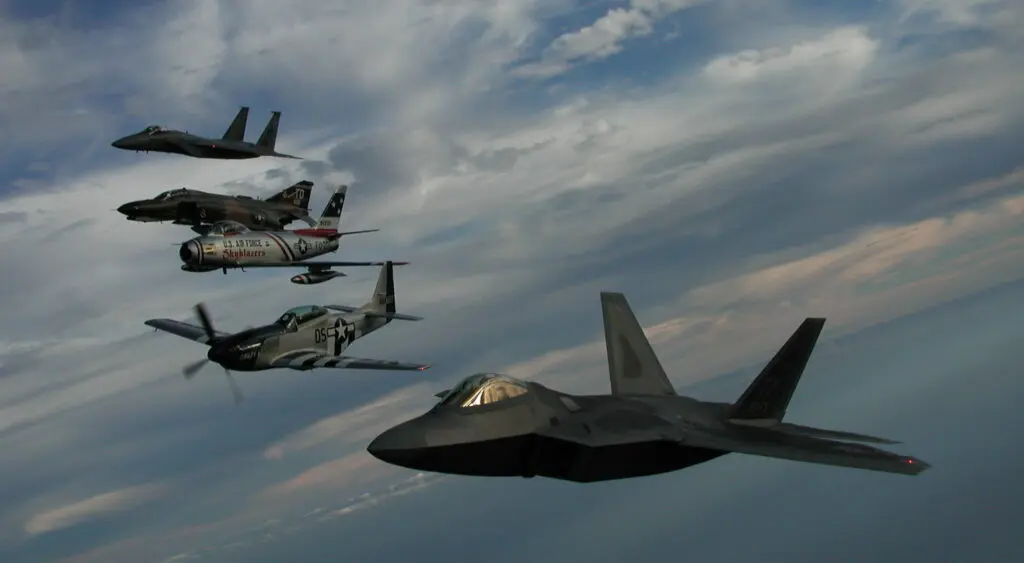
The evolution of fighter jet generations from the first to fifth showcases dramatic advancements in speed, radar systems, armament, and stealth technology. From the MiG-15’s jet-powered dawn to the F-35’s technological supremacy, each generation reflects unique engineering and tactical milestones. This article compares first-generation to fifth-generation fighters, highlighting key differences and their impact on aerial warfare, crafted for aviation enthusiasts, historians, and military professionals.
Overview of Fighter Jet Generations
Fighter jet generations are categorized by technological leaps, driven by combat needs and Cold War competition. Spanning from the 1940s to the 2020s, these generations mark progress in avionics, propulsion, and mission roles, with each building on its predecessor’s lessons.
First-Generation Fighters (1944-1953)
First-generation fighters introduced jet propulsion, revolutionizing aerial combat.
- Example: MiG-15 Fagot (Soviet Union)
- Speed: Subsonic, 668 mph (1,075 km/h, Mach 0.89).
- Radar: Basic or none; MiG-15 used optical sights.
- Armament: Cannons (23mm, 37mm); no guided missiles.
- Key Features: Early turbojets (Klimov VK-1), limited range (500-1,000 miles), basic aerodynamics.
- Combat Role: Dogfights in Korean War, with the MiG-15 achieving high climb rates but losing to F-86 Sabre’s radar-assisted gunnery (10:1 kill ratio).
Statistics: Over 15,000 MiG-15s built, exported to 40+ countries. This targets queries like “MiG-15 first-generation features.”
Second-Generation Fighters (1953-1960)
Second-generation fighters achieved supersonic speed and introduced early missiles.
- Example: MiG-21 Fishbed (Soviet Union)
- Speed: Mach 2 (1,385 mph or 2,228 km/h).
- Radar: Basic (RP-21), limited range and accuracy.
- Armament: 23mm cannon, AA-2 Atoll missiles (10-15% hit rate).
- Key Features: Afterburners (Tumansky R-11), delta wings for agility, short range (900 miles).
- Combat Role: Hit-and-run tactics in Vietnam War, downing 50+ U.S. jets but suffering 200+ losses.
Statistics: Over 11,000 MiG-21s produced, still in limited use in 2025. This targets queries like “MiG-21 second-generation specs.”
Third-Generation Fighters (1960-1970)
Third-generation fighters emphasized avionics and multi-role capabilities.
- Example: F-4 Phantom II (United States)
- Speed: Mach 2.2 (1,472 mph or 2,368 km/h).
- Radar: AN/APQ-120, enabling early BVR combat.
- Armament: AIM-7 Sparrow, AIM-9 Sidewinder (20% hit rate), later 20mm cannon.
- Key Features: Twin engines (J79), variable-geometry options (e.g., MiG-23), 1,200-mile range.
- Combat Role: Over 300,000 Vietnam War sorties, balancing air superiority and ground attack.
Statistics: Over 5,000 F-4s built, serving 12 nations. This targets queries like “F-4 Phantom third-generation roles.”
Fourth-Generation Fighters (1970-1990)
Fourth-generation fighters introduced fly-by-wire and high maneuverability.
- Example: F-16 Fighting Falcon (United States)
- Speed: Mach 2 (1,500 mph or 2,414 km/h).
- Radar: AN/APG-68, improved tracking and multi-target engagement.
- Armament: AIM-120 AMRAAM, 20mm cannon, 17,000-lb payload (JDAMs, anti-ship missiles).
- Key Features: Fly-by-wire, 9G turns, 2,000-mile range with drop tanks.
- Combat Role: Over 13,000 Gulf War sorties, achieving 6:1 kill ratio against Iraqi MiG-29s.
Statistics: Over 4,600 F-16s serve 25+ nations in 2025. This targets queries like “F-16 fourth-generation features.”
Fifth-Generation Fighters (2000-Present)
Fifth-generation fighters prioritize stealth and sensor fusion.
- Example: F-35 Lightning II (United States)
- Speed: Mach 1.6 (1,200 mph or 1,930 km/h).
- Radar: AN/APG-81 AESA, with 360-degree sensor fusion.
- Armament: 25mm cannon, AIM-120D, 18,000-lb payload (GBU-39 bombs).
- Key Features: Stealth (golf ball-sized radar cross-section), networked datalinks (MADL), 1,700-mile range.
- Combat Role: Over 5,000 sorties in Syria and Afghanistan, evading S-300 SAMs.
Statistics: Over 1,000 F-35s serve 17 nations, with 700,000+ flight hours by 2025. This targets queries like “F-35 fifth-generation technology.”
Key Differences Across Generations
| Generation | Speed | Radar | Armament | Key Advancements | Combat Example |
|---|---|---|---|---|---|
| First | Subsonic (Mach 0.9) | None/Basic | Cannons | Jet propulsion | Korean War MiG-15 dogfights |
| Second | Supersonic (Mach 2) | Basic (RP-21) | Early missiles | Afterburners, delta wings | Vietnam War MiG-21 ambushes |
| Third | Mach 2.2 | AN/APQ-120 | Missiles, cannons | Multi-role, variable geometry | Vietnam War F-4 strikes |
| Fourth | Mach 2 | AN/APG-68 | AMRAAM, precision bombs | Fly-by-wire, high agility | Gulf War F-16 dominance |
| Fifth | Mach 1.6-2.25 | AESA (AN/APG-81) | Advanced missiles, stealth weapons | Stealth, sensor fusion | Syria F-35 strikes |
This table targets queries like “fighter jet generations comparison chart.”
Technological and Tactical Evolution
- Speed: Progressed from subsonic (MiG-15, 668 mph) to supercruise-capable (F-22, Mach 2.25 without afterburners), though fifth-generation prioritizes stealth over raw speed.
- Radar: Evolved from none (first-generation) to AESA systems (F-35) with multi-target tracking and electronic warfare resistance.
- Armament: Shifted from cannons to reliable BVR missiles (50%+ hit rate in fourth-generation) and internal stealth bays (fifth-generation).
- Tactical Shift: From dogfights (Korean War) to multi-role operations (Gulf War) and stealth-driven, networked warfare (Syria).
This appeals to enthusiasts searching for “evolution of fighter jet technology.”
Challenges Across Generations
- First-Generation: Limited range and avionics constrained missions.
- Second-Generation: Unreliable early missiles forced cannon reliance.
- Third-Generation: Complex maintenance and high costs (F-4: $2.4M in 1960s).
- Fourth-Generation: Vulnerable to advanced SAMs (e.g., SA-10).
- Fifth-Generation: High costs ($110M for F-35) and maintenance issues (55-70% readiness).
This addresses queries like “fighter jet generation challenges.”
Legacy in Military Aviation
Each generation shaped aerial warfare:
- First-Generation: Established jet propulsion, influencing Cold War designs.
- Second-Generation: Proved supersonic viability, inspiring third-generation versatility.
- Third-Generation: Set multi-role standards, leading to fourth-generation agility.
- Fourth-Generation: Dominated with fly-by-wire, informing fifth-generation stealth.
- Fifth-Generation: Redefined combat with stealth and sensor fusion, paving the way for sixth-generation AI and drones.
Explore related topics like how fighter generations are classified or fighter aircraft generations for deeper insights.
In conclusion, the fighter jet generations from first to fifth reflect a remarkable evolution in speed, radar, armament, and stealth, transforming aerial warfare. This comparison captivates those searching for “first to fifth fighter jet differences.”
Next Article
How Fighter Generations Are Classified