
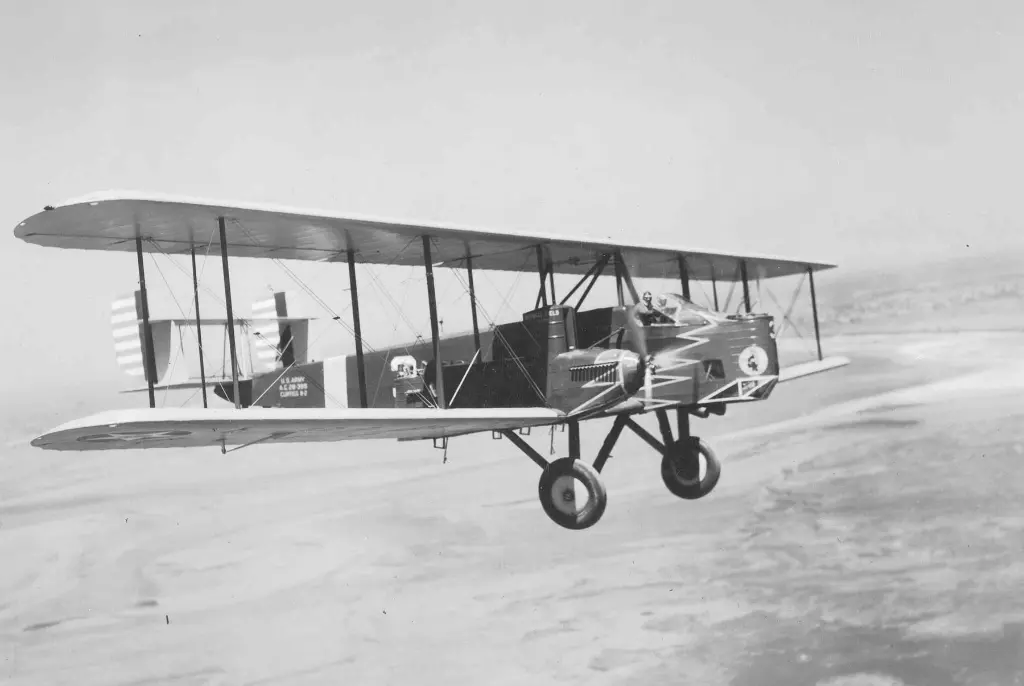
The Curtiss T-32 Condor II was an American twin-engine biplane bomber and transport aircraft developed in the early 1930s. Used by the United States Army Air Corps primarily as a bomber and later as a transport, the Condor II was notable for its large size, enclosed cockpit, and sleeping berths for long-range flights.
Fact Sheet
| Role | Bomber / Transport |
|---|---|
| Manufacturer | Curtiss Aeroplane and Motor Company |
| First Flight | 1933 |
| Service Entry | 1934 |
| Crew | 4–5 |
| Number Built | 45 (all variants) |
Specifications (T-32B-1 Model)
| Length | 50 ft 0 in (15.24 m) |
|---|---|
| Wingspan | 90 ft 0 in (27.43 m) |
| Height | 16 ft 6 in (5.03 m) |
| Wing Area | 1,400 sq ft (130 m²) |
| Empty Weight | 13,100 lb (5,942 kg) |
| Loaded Weight | 19,500 lb (8,845 kg) |
| Powerplant | 2 × Wright R-1820-F3 Cyclone radial engines (710 hp each) |
| Max Speed | 167 mph (269 km/h) |
| Cruise Speed | 140 mph (225 km/h) |
| Range | 775 mi (1,247 km) |
| Service Ceiling | 18,400 ft (5,608 m) |
Armament & Defensive Equipment
| Guns | 3 × .30 in (7.62 mm) machine guns |
|---|---|
| Bomb Load | Up to 2,500 lb (1,134 kg) |
Notable Features
- Twin-engine biplane with enclosed cockpit and cabin
- Used as both bomber and transport by the USAAC
- Sleeping berths for long-range passenger flights
- One of the last biplane bombers in U.S. service
- Also used by civilian airlines as a sleeper transport
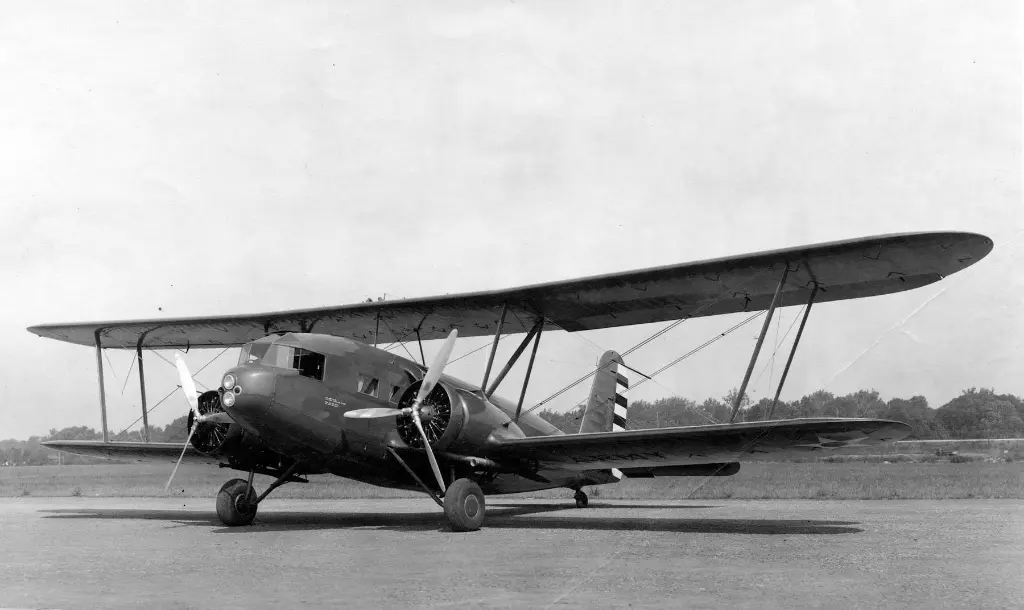
The Curtiss T-32 Condor II was a 1930s American biplane bomber and airliner. While a capable aircraft for its time, it’s primarily remembered for its dual role as both a military bomber and a luxurious commercial passenger plane. ✈️
Design and Military Service
Designed by Curtiss-Wright, the T-32 was an evolution of the earlier Curtiss Condor. It was an all-metal biplane with two Wright Cyclone radial engines and a distinctive retractable landing gear that retracted into the engine nacelles. A militarized version, the BT-32, was developed for bomber and transport roles. The U.S. Army Air Corps (USAAC) used it as a heavy transport and an experimental bomber, but it was quickly outpaced by newer monoplane designs like the Martin B-10.
Commercial Use and Legacy
The Condor II found more success as a commercial airliner. Known for its comfortable, quiet cabin, it was one of the first airliners to offer sleeper berths for overnight travel, carrying up to 12 passengers in luxury. Airlines like Eastern Air Lines and American Airways used the Condor II on their premier routes.
It was a transitional aircraft that demonstrated the potential for passenger comfort and long-distance travel, even as its biplane design quickly became obsolete in the face of faster, more efficient monoplanes like the Douglas DC-2. The T-32 Condor II is a key piece of aviation history, bridging the gap between the biplane era and the modern airliner.

Previous Article
General Dynamics FB-111A AardvarkNext Article
North American XB-70 Valkyrie (Prototype)