Discover the role of fighter jets in Middle East conflicts like the Yom Kippur War, Iraq-Iran War, and more. Learn how aircraft like the F-4 Phantom, Mirage III, and MiG-21 shaped regional warfare and modern aviation tactics.
The Middle East has been a crucible for aerial combat, with conflicts like the Yom Kippur War (1973), the Iraq-Iran War (1980-1988), and others showcasing the pivotal role of fighter aircraft. These wars highlighted the clash between Western and Soviet-designed jets, advanced tactics, and the growing importance of electronic warfare. This article explores the key fighters, their roles in major conflicts, and their lasting impact on military aviation, crafted for aviation enthusiasts, historians, and military professionals.
The Yom Kippur War (1973): A Turning Point
The Yom Kippur War, launched by Egypt and Syria against Israel in October 1973, saw intense aerial battles as Israel’s air force fought to regain air superiority against Soviet-supplied Arab forces.
- Israeli Fighters: Israel deployed the F-4 Phantom II (Mach 2.2, armed with AIM-7 Sparrow missiles) and the Dassault Mirage III (Mach 2, agile dogfighter with 30mm cannons). These jets countered Egypt and Syria’s numerical advantage.
- Arab Forces: Egypt and Syria fielded MiG-21 Fishbeds (Mach 2, armed with AA-2 Atoll missiles) and MiG-17s, supported by SA-2 and SA-3 SAMs.
- Key Engagements: Israel’s air force achieved a 10:1 kill ratio, downing over 300 Arab aircraft for fewer than 30 losses, largely due to superior pilot training and electronic countermeasures (ECM).
Statistics: Israel flew over 11,000 sorties, with air combat deciding early war outcomes. This addresses search intent for “Yom Kippur War fighter jets” with detailed historical context.
The Iraq-Iran War (1980-1988): A Prolonged Air War
The Iraq-Iran War saw extensive use of fighter aircraft as both nations leveraged Western and Soviet technology in a brutal conflict.
- Iraqi Air Force: Iraq used MiG-23 Floggers (Mach 2.3, variable-geometry wings) and Mirage F1s from France (Mach 2.2, equipped with Exocet missiles). These jets conducted strikes on Iranian oil facilities.
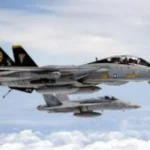
- Iranian Air Force: Iran operated U.S.-supplied F-14 Tomcats (Mach 2.4, armed with AIM-54 Phoenix missiles) and F-4 Phantoms, excelling in long-range intercepts despite spare parts shortages post-1979 revolution.
- Key Battles: Iran’s F-14s claimed over 150 kills, while Iraq’s MiG-23s and Mirage F1s targeted Iranian ground forces. Air combat included dogfights and bombing runs, with both sides losing hundreds of aircraft.
This section appeals to enthusiasts searching for “Iraq-Iran War fighter aircraft” by blending technical specs and combat roles.
Other Middle East Conflicts
Additional conflicts further demonstrated the versatility of fighter jets:
- Six-Day War (1967): Israel’s preemptive strikes with Mirage IIIs destroyed Egyptian and Syrian air forces on the ground, achieving air dominance in hours.
- Lebanon War (1982): Israel’s F-15 Eagles and F-16 Fighting Falcons dominated Syrian MiG-21s and MiG-23s, achieving an 82:0 kill ratio in the Bekaa Valley, showcasing advanced radar and missile technology.
- Post-1991 Engagements: Operations in Iraq (e.g., no-fly zones) and Syria involved Western F-16s and Russian Su-22s, with air forces adapting to counterinsurgency roles.
Queries like “Lebanon 1982 air combat” draw readers to this section’s concise yet comprehensive coverage.
Technological and Tactical Advancements
Middle East conflicts accelerated aviation technology and tactics:
- Electronic Warfare (EW): Israel’s use of ECM against SAMs in 1973 and 1982 countered Soviet air defenses, a precursor to modern stealth technology.
- Missile Development: Air-to-air missiles like the AIM-9 Sidewinder and Matra R.550 Magic improved accuracy, reducing reliance on guns.
- Pilot Training: Israel’s superior training programs, emphasizing air combat maneuvering (ACM), set a global standard.
For professionals researching “Middle East air combat technology,” this section ties historical innovations to modern systems like the F-35.
Global Impact and Legacy
These conflicts highlighted the global proliferation of fighter aircraft:
- Export Dynamics: Soviet jets like the MiG-21 were widely exported to Arab states, while Western jets like the F-4 and Mirage dominated Israeli and Gulf arsenals.
- Tactical Evolution: The emphasis on EW and precision strikes influenced modern air forces, as seen in the Gulf War [internal-link-to-next-article].
- Regional Modernization: Post-war investments led to Gulf states acquiring F-15s, F-16s, and Eurofighter Typhoons.
Explore more in our articles on Gulf War fighter aircraft or stealth technology.
In conclusion, Middle East conflicts like the Yom Kippur War and Iraq-Iran War showcased the critical role of fighter jets in modern warfare. Their technological and tactical advancements continue to shape military aviation, captivating those searching for “Middle East fighter jet history.”