The Cold War witnessed some of the most daring aerial operations in history, where advanced aircraft conducted secret missions deep behind enemy lines, gathering crucial intelligence and testing defenses while risking international incidents and potential war.
The U-2 Program: High-Altitude Espionage
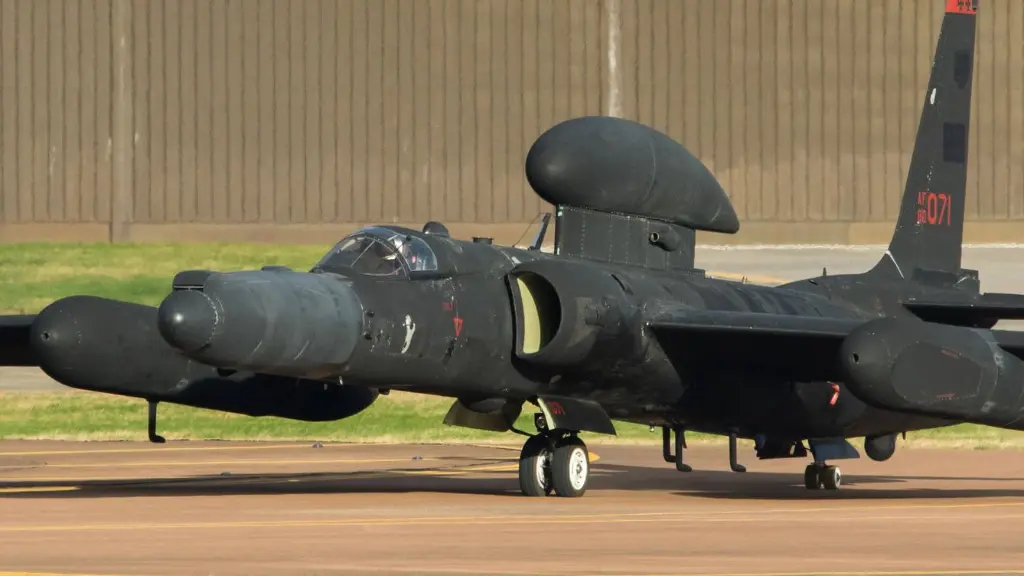
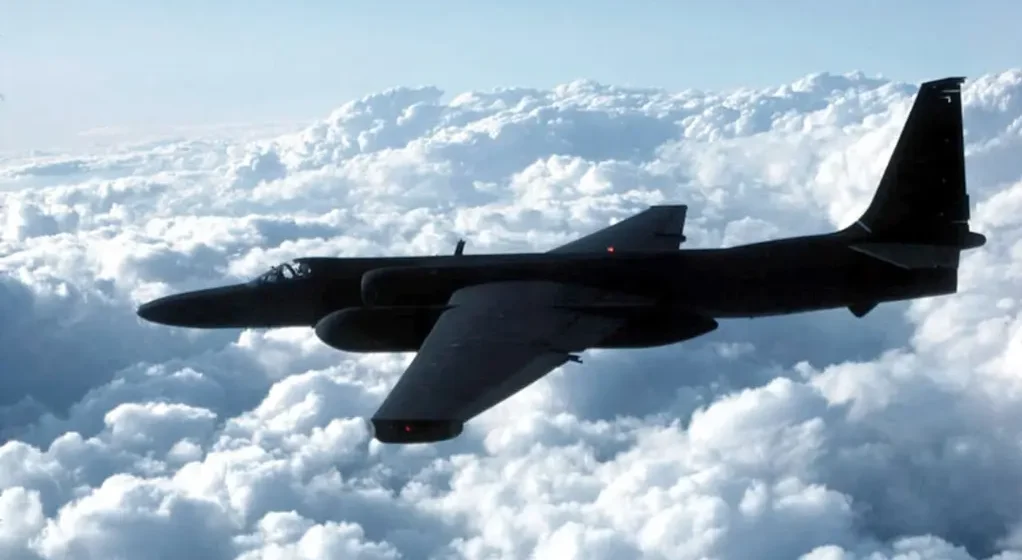
The Lockheed U-2 “Dragon Lady” became the most famous spy plane of the early Cold War. Designed by Kelly Johnson’s Skunk Works, this high-altitude reconnaissance aircraft could fly at 70,000 feet, initially believed to be beyond the reach of Soviet defenses.
The U-2’s camera systems could capture detailed images from extreme altitudes, monitoring Soviet military installations, nuclear facilities, and missile sites. These flights provided crucial intelligence about Soviet capabilities, directly influencing US strategic planning.
The program suffered a catastrophic setback on May 1, 1960, when Francis Gary Powers’ U-2 was shot down over Soviet territory by an SA-2 Guideline missile. The incident caused a major diplomatic crisis, ending the era of plausible deniability for overflights and forcing a shift to satellite reconnaissance.
SR-71 Blackbird: The Ultimate Spy Plane
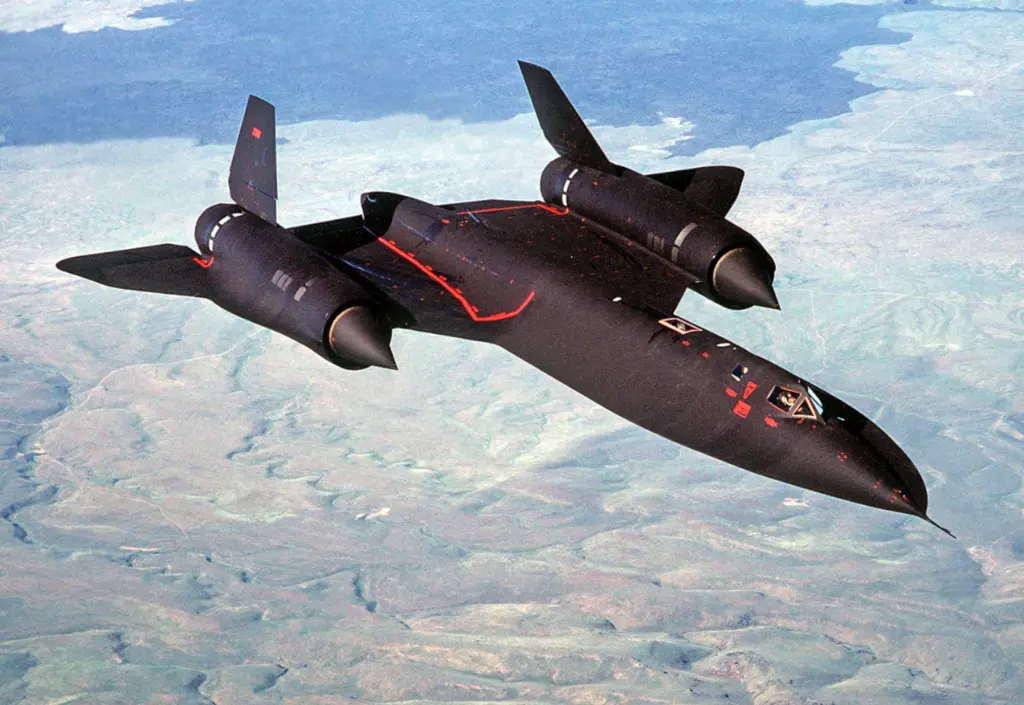
The Lockheed SR-71 Blackbird represented the pinnacle of Cold War aerial reconnaissance technology. Its titanium construction allowed it to withstand extreme temperatures generated by sustained Mach 3+ flight at altitudes above 85,000 feet.
The Blackbird’s advanced sensors could image over 100,000 square miles of territory per hour from hostile airspace. Its incredible speed and altitude made it virtually invulnerable to interception throughout its operational career from 1966 to 1998.
SR-71 missions provided critical intelligence during numerous Cold War crises, including monitoring Soviet shipping during the Cuban Missile Crisis, surveillance of North Vietnam, and observing Middle East conflicts. The aircraft never sustained combat losses, though several were lost to accidents.
RB-47 & Other Electronic Intelligence Gatherers
While the U-2 and SR-71 gathered photographic intelligence, other specialized aircraft focused on electronic intelligence (ELINT) collection. The Boeing RB-47 Stratojet and its variants conducted dangerous missions along Soviet borders, monitoring radar and communications signals.
These electronic reconnaissance missions helped map Soviet air defense systems, identify radar frequencies, and monitor military communications. The information proved vital for planning penetration routes for bombers and understanding Soviet early warning capabilities.
The risks were substantial. Several RB-47 aircraft were shot down during these missions, and numerous others were attacked by Soviet interceptors. Crews conducted these missions knowing that if captured, they could be tried as spies rather than treated as prisoners of war.
Border Intrusions and Provocative Overflights
Both superpowers regularly tested each other’s defenses through provocative aerial maneuvers and border intrusions:
- Soviet intrusions: Tu-95 Bear bombers regularly probed NATO air defenses, requiring interception by fighter aircraft
- US overflights: Strategic Air Command bombers conducted simulated attack runs toward Soviet territory to test response times
- Aerial incidents: Numerous close encounters occurred, including mid-air collisions and hostile interceptions that sometimes resulted in losses
These dangerous games of cat and mouse provided valuable intelligence about response procedures, radar coverage gaps, and interceptor capabilities while constantly risking escalation into broader conflict.
Table: Notable Cold War Aerial Incidents
| Date | Incident | Aircraft Involved | Result |
|---|---|---|---|
| May 1, 1960 | U-2 Shot Down | U-2C vs. SA-2 missile | Pilot captured, diplomatic crisis |
| July 1, 1960 | RB-47 Shot Down | RB-47H vs. MiG-19 | 4 killed, 2 captured |
| March 10, 1964 | RB-66 Destroyed | RB-66C vs. MiG-21 | 3 crew members killed |
| April 1969 | EC-121 Shootdown | EC-121 vs. North Korean MiG-21 | 31 Americans killed |
Frequently Asked Questions
How many U-2 flights were conducted over the Soviet Union?
Approximately 24 successful deep-penetration missions were flown between 1956 and 1960, with several additional flights over Soviet periphery areas. The program ended after the Powers shootdown.
Were Soviet pilots able to intercept the SR-71?
Despite numerous attempts, Soviet interceptors never successfully engaged an SR-71. The MiG-25 could briefly reach the Blackbird’s altitude but lacked the sustained speed to maintain interception.
What happened to captured reconnaissance pilots?
Captured pilots faced uncertain fates. Gary Powers was tried and convicted of espionage but exchanged in a prisoner swap after nearly two years. Other captured crew members endured lengthy imprisonments and harsh interrogations.
Did the Soviets conduct similar reconnaissance missions?
Yes, Soviet aircraft regularly probed NATO defenses. Tu-16 Badger and Tu-95 Bear aircraft conducted electronic intelligence missions along NATO borders, particularly monitoring naval formations and early warning systems.
Conclusion: The Legacy of Cold War Aerial Espionage
The secret aerial missions of the Cold War represented some of the most dangerous intelligence operations ever conducted. The men who flew these missions risked their lives in aircraft pushed to technological limits, gathering information that helped prevent nuclear war through better understanding of adversary capabilities.
These operations drove remarkable technological innovations in aircraft design, sensor technology, and electronic warfare that continue to influence military aviation today. The experience gained also shaped modern intelligence collection methods and crisis management procedures.
Perhaps most importantly, these dangerous missions provided the critical intelligence that allowed both superpowers to make informed decisions during moments of extreme tension, arguably helping to prevent misunderstandings that could have led to nuclear conflict. The legacy of these secret operations continues to influence aerial reconnaissance and intelligence gathering in the modern era.