Explore sixth-generation fighter jets, including U.S. NGAD, Europe’s FCAS, and China’s concepts, shaping the future of military aviation. Learn their features, technologies, and impact on aerial warfare.
The sixth-generation fighter jets, still in development as of 2025, promise to redefine military aviation with advanced stealth, artificial intelligence (AI), directed-energy weapons, and drone integration. Programs like the U.S. Next Generation Air Dominance (NGAD), Europe’s Future Combat Air System (FCAS), and China’s emerging concepts aim to dominate future aerial combat in the 2030s and beyond. This article explores their development, anticipated features, strategic roles, and influence on fighter jet design, crafted for aviation enthusiasts, historians, and military professionals.
Emergence of Sixth-Generation Fighters
Sixth-generation fighters are being developed to counter evolving threats, including advanced air defenses, hypersonic weapons, and fifth-generation jets like the F-35 and Su-57. Initiated in the 2010s, these programs focus on network-centric warfare, adaptability, and integration with unmanned systems, building on fifth-generation stealth and sensor advancements.
Key Sixth-Generation Programs
The NGAD, FCAS, and Chinese concepts lead the race for sixth-generation supremacy.
- Next Generation Air Dominance (NGAD, United States): Led by the U.S. Air Force, NGAD aims for 2030 deployment. Expected to exceed Mach 2 with adaptive-cycle engines (e.g., GE XA100), it emphasizes stealth, AI-driven systems, and laser weapons. Designed to pair with loyal wingman drones, NGAD prioritizes air dominance.
- Future Combat Air System (FCAS, Europe): A France-Germany-Spain collaboration, FCAS targets 2040 with a Dassault-led manned jet and unmanned escorts. Powered by next-gen Safran engines, it will feature AI, cyber warfare capabilities, and a radar cross-section smaller than the F-35’s.
- Chinese Sixth-Generation Concepts: China’s AVIC is developing a stealthy, manned-unmanned teaming platform, potentially operational by 2035. Likely equipped with WS-15 engines, it aims to rival NGAD with hypersonic missile integration.
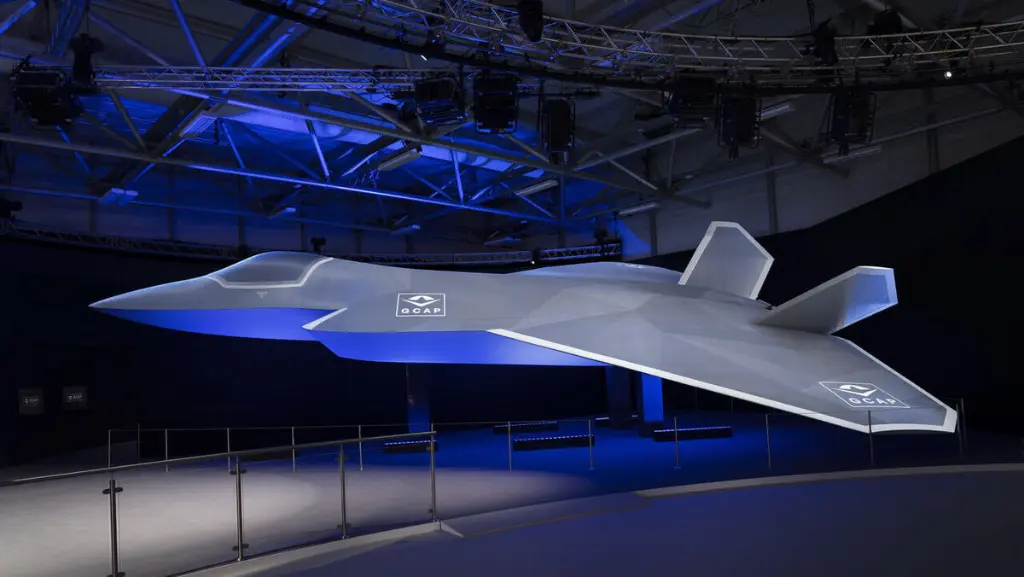
- Other Efforts: Japan’s F-X program and the UK’s Tempest (part of Global Combat Air Programme) focus on AI, directed-energy weapons, and networked systems.
Statistics: NGAD’s budget exceeds $10 billion annually, with prototypes tested by 2025. This targets queries like “NGAD FCAS specs.”
Anticipated Roles in Future Conflicts
Sixth-generation fighters are designed for multi-domain operations in contested environments.
- NGAD in Pacific Scenarios: NGAD is tailored for Indo-Pacific tensions, countering China’s J-20 and S-400 SAMs with stealth and long-range strikes.
- FCAS in European Defense: FCAS will strengthen NATO, conducting air superiority and precision strikes in high-threat zones, integrated with drones like the Remote Carrier.
- Chinese Concepts in Regional Dominance: China’s jets aim to secure the South China Sea, pairing with UAVs for reconnaissance and strikes.
- Hypothetical Engagements: These jets could neutralize hypersonic threats and engage in network-centric warfare, coordinating with satellites and drones.
This engages professionals searching for “sixth-generation fighter roles” with strategic projections.
Technological Advancements
Sixth-generation fighters promise revolutionary aviation technologies:
- Advanced Stealth: Radar-absorbing materials and conformal designs reduce radar cross-sections below fifth-generation levels (e.g., NGAD’s sub-marble size).
- Artificial Intelligence (AI): AI systems will manage sensor data, optimize flight paths, and control loyal wingman drones, as seen in NGAD’s autonomy trials.
- Directed-Energy Weapons: Lasers and microwave systems (e.g., NGAD’s planned 300-kW lasers) counter missiles and drones.
- Manned-Unmanned Teaming: Integration with drones like the U.S. CCA or FCAS Remote Carriers enhances situational awareness and strike capacity.
- Adaptive Engines: Variable-cycle engines improve fuel efficiency and speed, extending ranges beyond 2,000 miles.
For researchers exploring “sixth-generation jet technology,” this ties innovations to systems like hypersonic defenses.
Tactical Evolution
The sixth-generation era will transform aerial combat:
- Network-Centric Operations: Real-time data sharing via advanced datalinks (e.g., FCAS’s combat cloud) enables coordinated strikes across air, sea, and space.
- Swarm Tactics: Drones controlled by AI will overwhelm defenses, as envisioned in NGAD’s CCA concept.
- Beyond-Visual-Range (BVR) Dominance: Hypersonic missiles and directed-energy weapons extend engagement ranges to 200+ miles.
This appeals to enthusiasts searching for “sixth-generation fighter tactics.”
Challenges and Limitations
Sixth-generation programs face significant hurdles:
- Cost: NGAD’s projected $300 million per unit and FCAS’s €100 billion program cost strain budgets.
- Technological Maturity: AI and directed-energy weapons remain unproven in combat, with delays possible beyond 2030.
- Cyber Vulnerabilities: Heavy reliance on networked systems risks hacking, a concern for FCAS’s combat cloud.
This addresses queries like “sixth-generation fighter challenges” for a balanced perspective.
Legacy and Future Impact
Sixth-generation fighters will shape military aviation:
- Global Influence: NGAD and FCAS will strengthen U.S. and NATO air forces, while China’s jets challenge regional balances.
- Design Evolution: Their AI and drone integration will define seventh-generation concepts by 2050.
- Tactical Shift: Emphasis on unmanned systems and cyber warfare will reduce reliance on manned jets.
Explore related topics like comparing fighter generations or fighter aircraft generations for deeper insights.
In conclusion, sixth-generation fighter jets like NGAD, FCAS, and Chinese concepts promise to revolutionize aerial warfare with stealth, AI, and drone integration. Their development captivates those searching for “sixth-generation jet fighter future.”