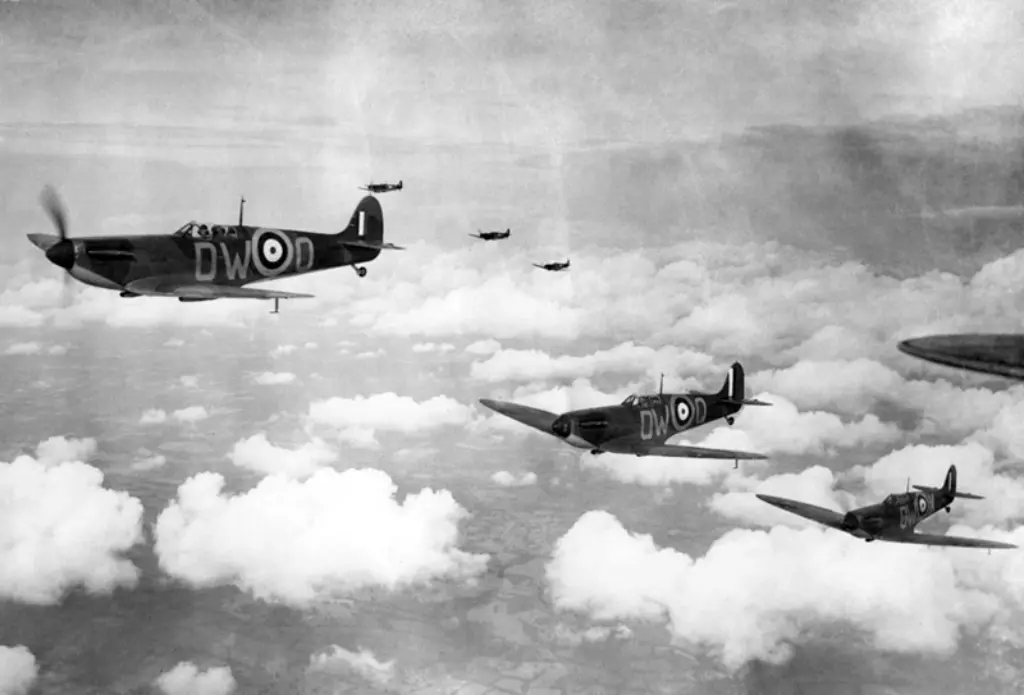
The Battle of Britain stands as one of the most pivotal moments in World War II, where the skies over England became a battlefield for survival. In the summer of 1940, the Royal Air Force (RAF) faced off against the formidable German Luftwaffe, and at the heart of this defense was the iconic Supermarine Spitfire. This legendary fighter plane not only symbolized British resilience but played a crucial role in thwarting the Nazi invasion plans. This article delves into the history of the Battle of Britain, the development of the Spitfire, its heroic contributions, and its enduring legacy as the aircraft that helped save a nation.
The Prelude to Battle: Hitler’s Invasion Plans
By mid-1940, Nazi Germany had conquered much of Western Europe, leaving Britain isolated and vulnerable. Adolf Hitler aimed to launch Operation Sea Lion, a full-scale invasion across the English Channel. However, to succeed, the Luftwaffe needed air superiority to neutralize the Royal Navy and support ground troops. The Battle of Britain, fought from July to October 1940, was the first major campaign waged entirely in the air.
The RAF was outnumbered, with around 1,200 fighters against the Luftwaffe’s 2,500 aircraft. Yet, Britain’s integrated air defense system, including radar stations and observer posts, provided early warnings. The stage was set for a desperate fight, where the Spitfire and its counterpart, the Hawker Hurricane, would prove indispensable.
The Birth of an Icon: Designing the Supermarine Spitfire
The Supermarine Spitfire was born from the genius of designer Reginald Mitchell, who drew inspiration from racing seaplanes like those competing in the Schneider Trophy. First flown in 1936, the Spitfire featured an elliptical wing design for superior aerodynamics, a powerful Rolls-Royce Merlin engine, and eight machine guns for firepower.
Entering service in 1938, the Spitfire was faster and more maneuverable than many contemporaries, reaching speeds over 360 mph. By the outbreak of war in 1939, nine squadrons were equipped with it. Early models had teething issues, but rapid improvements made it a formidable weapon. Mitchell’s vision created an aircraft that could outturn and outclimb German fighters like the Messerschmitt Bf 109.
Spitfire in Action: Turning the Tide of the Battle
During the Battle of Britain, the Spitfire excelled in intercepting enemy bombers and engaging fighters. While the Hurricane targeted bombers, the Spitfire often took on the escorting fighters, leveraging its agility in dogfights. On August 13, 1940—known as Eagle Day—the Luftwaffe launched massive raids, but RAF pilots, including those in Spitfires, inflicted heavy losses.
Key moments included the defense of London during the Blitz phase in September. Spitfires from squadrons like No. 19 and No. 41 disrupted German formations, preventing air superiority. By October, the Luftwaffe had lost over 1,700 aircraft, compared to the RAF’s 1,000, forcing Hitler to postpone the invasion indefinitely.
The Spitfire’s role extended beyond combat; it boosted morale, becoming a symbol of hope. As Prime Minister Winston Churchill famously said, “Never in the field of human conflict was so much owed by so many to so few,” referring to the brave pilots.
Heroes of the Skies: Pilots and Their Stories
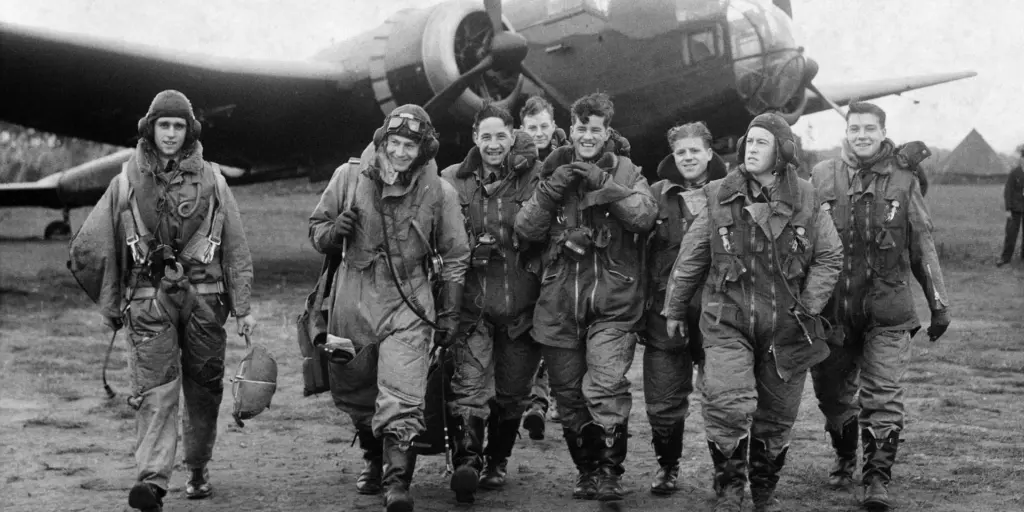
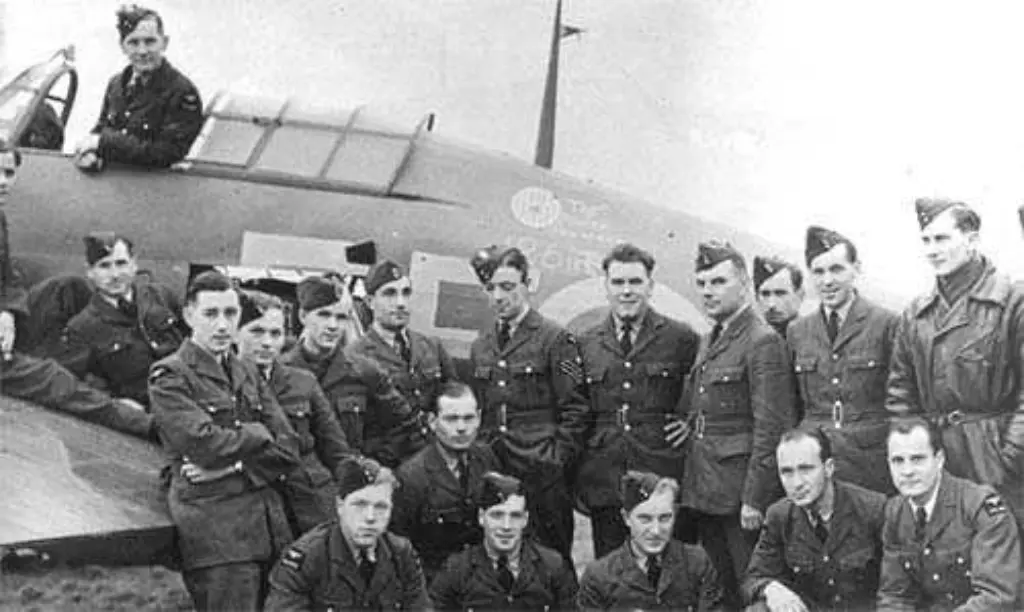
The Spitfire’s success was as much about the pilots as the plane. Aces like Douglas Bader, who flew despite losing both legs, and Johnnie Johnson, Britain’s top-scoring pilot, embodied the “Few.” Foreign pilots from Poland, Czechoslovakia, and other nations also contributed significantly, with the Polish 303 Squadron achieving the highest kill rate.
One notable story is that of the photo-reconnaissance Spitfires, which flew unarmed at high altitudes to gather intelligence, relying on speed to evade enemies. These missions provided vital data on German movements, aiding strategic decisions.
Evolution and Legacy: Beyond the Battle of Britain
The Spitfire evolved throughout the war, with over 20,000 produced in various marks, including carrier-based Seafires and tropical variants. It served on multiple fronts, from North Africa to the Pacific, and even in post-war conflicts.
Today, the Spitfire remains a cultural icon, featured in films like “Dunkirk” and preserved in museums such as the Imperial War Museum and RAF Museum. Its design influenced modern aviation, and flying examples still grace airshows, reminding us of its role in saving Britain from invasion.
Conclusion: A Symbol of Defiance and Victory
The Battle of Britain was a turning point in World War II, and the Supermarine Spitfire was instrumental in securing victory. By outmatching the Luftwaffe and protecting the homeland, it not only saved a nation but also inspired the free world. As we reflect on this chapter of history, the Spitfire endures as a testament to innovation, courage, and the unyielding spirit of those who defended the skies.
For more on WWII aviation history, visit sites like the National WWII Museum or explore Spitfire exhibits at the RAF Museum.