The dawn of air combat during World War I marked a revolutionary shift in warfare, with wooden biplanes taking to the skies as the first true fighter aircraft. These fragile machines, built from wood and fabric, evolved rapidly, giving way to the sleeker, faster monoplane fighters that began to reshape aviation history. This article explores the journey from the iconic biplanes of the early 20th century to the pioneering monoplanes that set the stage for modern air combat, highlighting key aircraft, designers, and the technological leaps that defined this era.
The Birth of Air Combat: Wooden Biplanes Take Flight
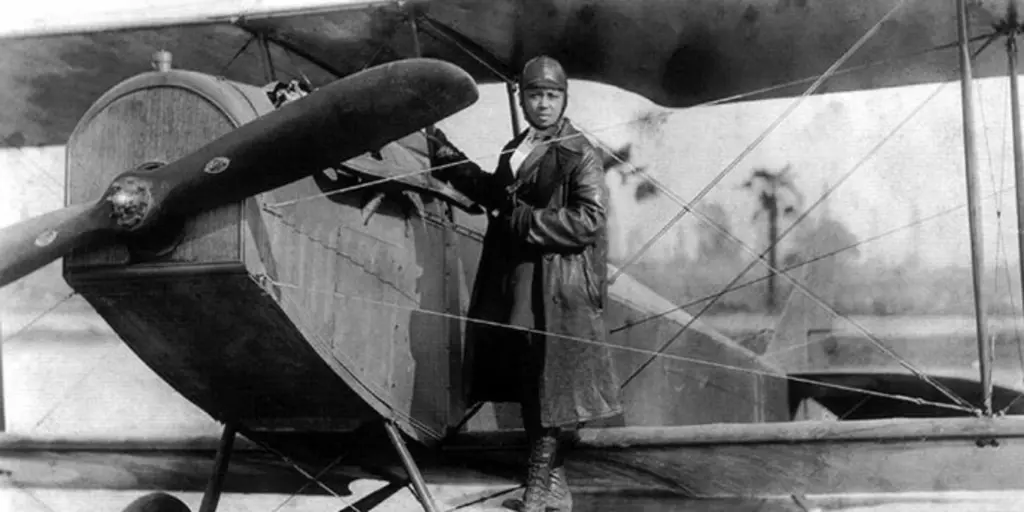
In the early 1900s, aviation was in its infancy, and the Wright Flyer (1903), a wooden biplane, proved powered flight was possible. By World War I (1914–1918), biplanes dominated the skies due to their structural advantages. Their dual-wing design, supported by struts and wires, distributed weight and stress, making them more robust than early monoplanes, which often suffered from weak wings. These wooden biplanes, like the Sopwith Camel and Fokker Dr.I, became the backbone of air combat.
- Sopwith Camel (1917): This British biplane fighter was a game-changer, credited with downing more enemy aircraft than any other Allied fighter. Its twin Vickers machine guns and agile handling made it a favorite among aces like William “Billy” Bishop, despite its tricky controls.
- Fokker Dr.I (1917): A German triplane, famously flown by the Red Baron, Manfred von Richthofen, this aircraft excelled in dogfights due to its maneuverability, though structural issues limited its lifespan.
These biplanes, built with wood frames and fabric coverings, were powered by engines producing as little as 100–250 horsepower, with top speeds rarely exceeding 120 mph. Their open cockpits and fixed landing gear reflected the era’s technological limits, yet they laid the foundation for aerial warfare.
The Monoplane Challenge: Early Struggles and Breakthroughs
While biplanes ruled, monoplanes—aircraft with a single wing—promised less drag and higher speeds, mimicking the natural design of birds. However, early monoplanes faced skepticism due to structural weaknesses. Many, like the Blériot XI (1909), relied on external bracing wires, but crashes were common as wings folded under stress.
- Blériot XI: Louis Blériot’s monoplane gained fame for crossing the English Channel in 1909, proving its potential. Its wooden frame and wire-braced wings allowed speeds up to 47 mph, but it was prone to structural failures.
- Fokker Eindecker (1915): The first effective monoplane fighter, this German aircraft introduced synchronized machine guns that fired through the propeller, giving pilots a deadly edge. Its speed (87 mph) outpaced many biplanes, making it a feared “fighting scout.”
Despite these advances, monoplanes were distrusted. The British Royal Flying Corps banned them in 1912 after crashes, favoring the sturdier biplane design. The challenge was clear: monoplanes needed stronger wings and better engineering to compete.
The Bristol M.1: A Monoplane Pioneer in World War I
The Bristol M.1 Monoplane Scout, introduced in 1916, was a bold step forward. Designed by Frank Barnwell, it was the only British monoplane fighter produced during World War I. With a streamlined fuselage and a 110-horsepower Le Rhône engine, it reached speeds of 130 mph—faster than many German and French monoplanes like the Fokker Eindecker.
- Performance: The Bristol M.1 could climb to 10,000 feet in 8.5 minutes and had a service ceiling of 20,000 feet, outpacing many biplanes.
- Challenges: Despite its speed, the British War Office hesitated, citing high landing speeds (49 mph) and a prejudice against monoplanes as unsafe. Only 130 were built, mostly used in the Middle East and Balkans.
- Legacy: Captain Frederick Dudley Travers became an ace in the Bristol M.1, proving its combat potential.
The Bristol M.1 showed that monoplanes could rival biplanes, but biases delayed their widespread adoption.
The Interwar Shift: Monoplanes Take Over
Between World War I and World War II, aviation saw a dramatic shift. The interwar period brought stronger materials, like metal frames, and more powerful engines, making monoplanes viable. The Junkers J 1 (1915), an all-metal monoplane, was a pioneer, though its weight limited agility.
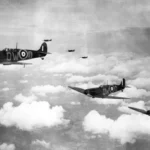
By the 1930s, monoplane fighters like the Boeing P-26 Peashooter (1932) and Hawker Hurricane (1935) emerged as game-changers. The P-26, the U.S. Army’s first monoplane fighter, featured an all-metal design and reached 234 mph. The Hurricane, Britain’s first monoplane fighter, boasted eight machine guns and speeds over 300 mph, setting the stage for World War II fighters like the Supermarine Spitfire.
- Technological Advances: Cantilevered wings, which needed no external bracing, and retractable landing gear reduced drag, boosting performance.
- Air Racing Influence: Events like the Schneider Trophy pushed monoplane designs forward, with aircraft like the Supermarine S.6B hitting 400 mph, influencing future fighters.
The Legacy of the Pioneers
The transition from wooden biplanes to monoplane fighters was driven by daring designers and pilots who challenged the status quo. The Sopwith Camel and Fokker Dr.I defined early air combat, while the Blériot XI, Fokker Eindecker, and Bristol M.1 proved monoplanes could excel. By the interwar period, advances in materials and engineering cemented the monoplane’s dominance, paving the way for modern fighter jets.
Today, the legacy of these pioneers lives on in museums, like the Bristol M.1 preserved in Australia and replicas at the Shuttleworth Collection. Their courage and innovation transformed aviation, turning fragile wooden biplanes into the sleek, powerful monoplanes that dominate the skies.
For more on air combat history, explore resources from the National Air and Space Museum or Vintage Aviation News.