Numerous visionary aircraft projects have been canceled throughout history, often due to shifting political priorities, technological hurdles, or simply prohibitive costs. While they never entered service, their designs and concepts pushed the boundaries of aviation and, had they succeeded, could have profoundly altered the course of military strategy and aerospace technology.
Northrop YF-23 Black Widow II
The YF-23 was Northrop’s contender in the U.S. Air Force’s Advanced Tactical Fighter (ATF) program, competing directly with Lockheed’s YF-22, which would become the F-22 Raptor. It was designed for a single purpose: to be a high-speed, stealthy, long-range interceptor.
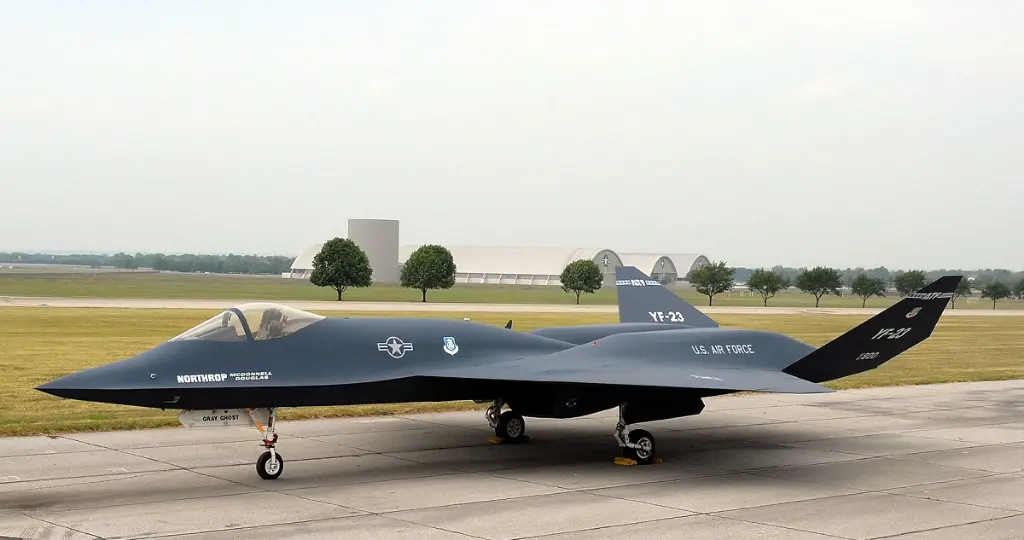
- Why It Was Canceled: The YF-23 was faster and had a lower radar signature and better range than the YF-22. However, the YF-22 was deemed more agile and maneuverable in a dogfight due to its thrust vectoring nozzles. The Air Force, while valuing stealth and speed, prioritized agility and a larger internal weapons capacity. Lockheed’s extensive experience with stealth (from the F-117) and its well-funded program also gave it an edge.
- Historical Impact: Had the YF-23 been selected, the U.S. would have fielded an even stealthier and faster air superiority fighter, potentially influencing the design of subsequent stealth aircraft. Many of its design features, like its elegant aerodynamic shape and all-moving V-tail, were groundbreaking.
Avro CF-105 Arrow
The Avro Arrow was a supersonic interceptor jet developed by Canada in the 1950s to counter the threat of Soviet bombers flying over the Arctic. It was one of the most technologically advanced aircraft of its era, capable of Mach 2 speeds and designed to carry a sophisticated fire-control system and missiles.
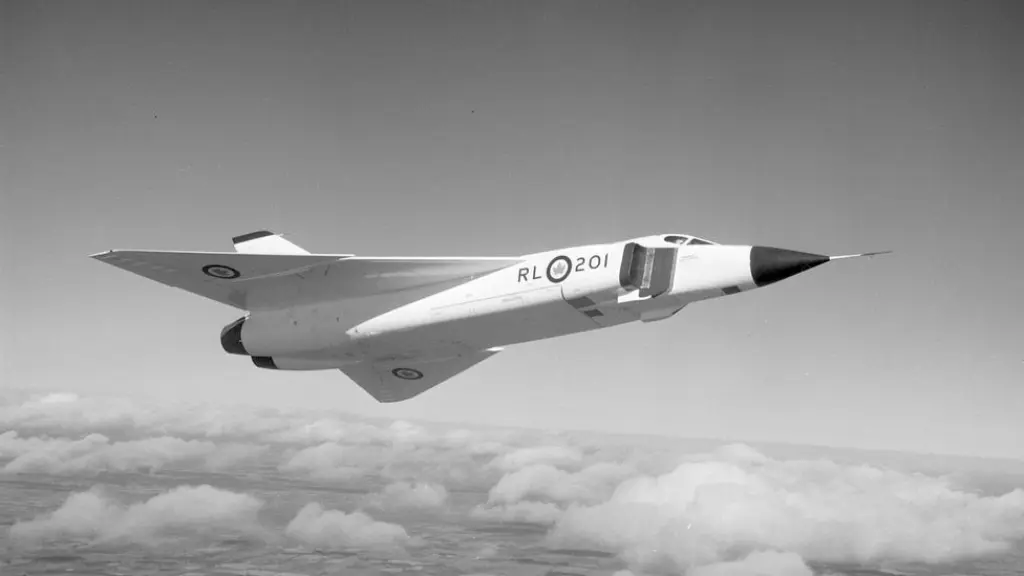
- Why It Was Canceled: The project was an immense financial burden on Canada’s defense budget. The strategic landscape also changed dramatically with the launch of Sputnik in 1957, which emphasized the emerging threat of intercontinental ballistic missiles (ICBMs) over manned bombers. Prime Minister John Diefenbaker’s government ultimately chose to cancel the project in 1959, opting instead to purchase less expensive U.S. missile systems.
- Historical Impact: The abrupt cancellation, known as “Black Friday,” devastated Canada’s aerospace industry. Thousands of highly skilled engineers and technicians were laid off, many of whom emigrated to the U.S. and helped contribute to American aerospace projects, including the Apollo space program. The Arrow’s demise remains a contentious point in Canadian history, symbolizing a lost opportunity for national technological leadership.
Boeing X-32 vs. Lockheed Martin X-35
The X-32 was Boeing’s contender in the Joint Strike Fighter (JSF) program, competing against Lockheed’s X-35, which would become the F-35 Lightning II. The X-32’s unorthodox design, with its large, single-piece delta wing and wide, “smiley” air intake, was a stark contrast to the X-35.
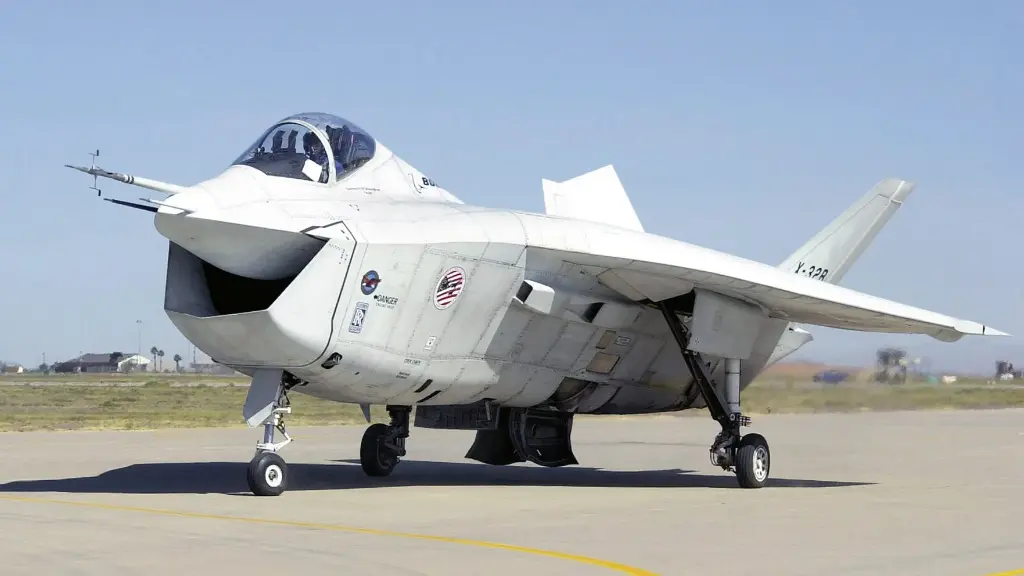
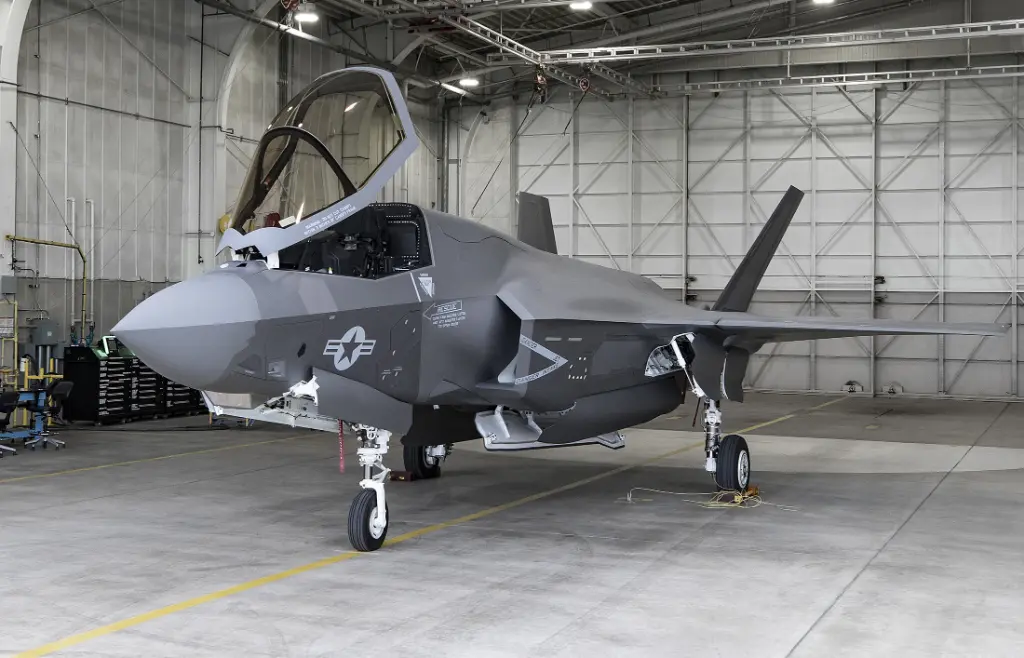
- Why It Was Canceled: The X-32 lost the competition primarily because of its inferior performance in the short takeoff and vertical landing (STOVL) test. The X-35’s innovative lift-fan design was more technologically advanced and effective, allowing it to perform supersonic flight and vertical landings in the same configuration. The X-32’s design required a complex modification to its exhaust system, which also created issues with hot air re-circulation, weakening its thrust.
- Historical Impact: Had the X-32 won, the F-35 would have been a very different aircraft. The X-32’s design philosophy prioritized manufacturing simplicity and affordability, which its proponents argue would have resulted in a cheaper, more maintainable, and ultimately more sustainable aircraft in the long run. The F-35, while a technological marvel, has been plagued by cost overruns and readiness issues that many feel the X-32 was designed to avoid.
North American XB-70 Valkyrie
The XB-70 Valkyrie was a supersonic strategic bomber prototype developed in the late 1950s. It was a massive, six-engine aircraft designed to fly at speeds up to Mach 3 and altitudes of 70,000 feet, making it virtually invulnerable to contemporary Soviet interceptors.
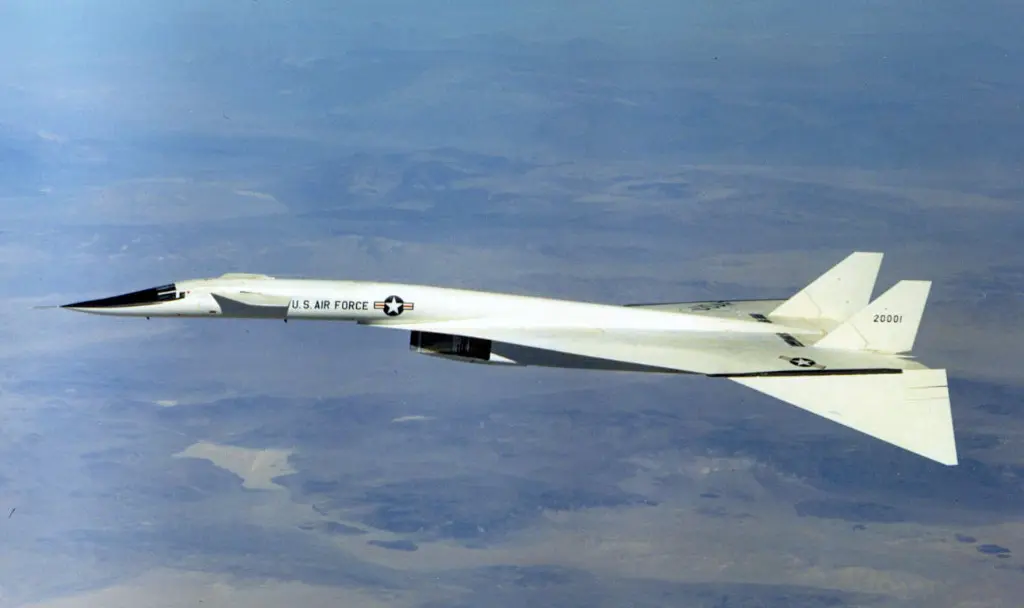
- Why It Was Canceled: The advent of the ICBM made manned bombers flying high and fast obsolete. The Soviet Union’s development of advanced surface-to-air missiles (SAMs) like the SA-2 Guideline also made the XB-70’s high-altitude mission profile too risky. The program was canceled as a bomber project in 1961, with two prototypes continuing as research aircraft. One was tragically lost in a mid-air collision in 1966.
- Historical Impact: The Valkyrie was a technological triumph that pushed the envelope of high-speed flight. It pioneered new construction techniques, materials, and aerodynamic principles, including a unique “compression lift” design that allowed it to ride its own shockwave. The data collected from the XB-70 program proved invaluable for future supersonic military and commercial aircraft designs, including the Concorde.
McDonnell Douglas/General Dynamics A-12 Avenger II
Nicknamed the “Flying Dorito” for its striking resemblance to the snack chip, the A-12 Avenger II was a proposed American stealth attack aircraft for the U.S. Navy and Marine Corps. It was designed as an all-weather, carrier-based stealth bomber to replace the aging A-6 Intruder, with its unique flying wing design intended to give it an extremely low radar signature. The A-12’s large internal weapons bay would have allowed it to carry a wide array of precision-guided munitions and cruise missiles, making it a “first-day-of-war” asset capable of penetrating the most heavily defended airspace.
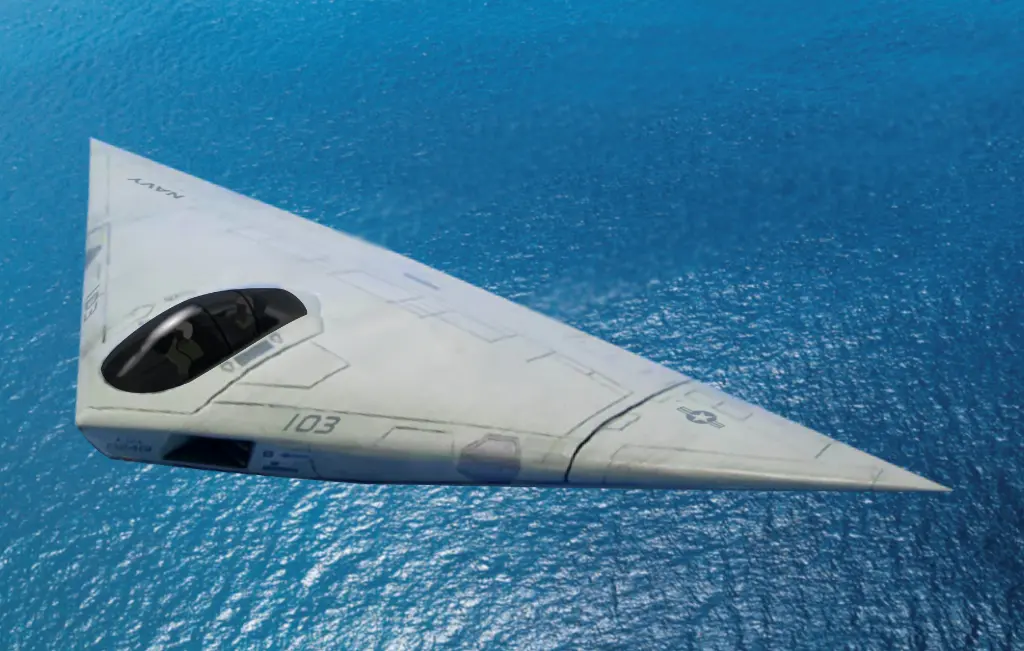
- Why It Was Canceled: The A-12 program was plagued by massive cost overruns, weight increases (up to 30% over its design specification), and technical difficulties with its composite materials and complex avionics. The project was consuming a huge portion of the Navy’s budget with little to show for it. In January 1991, Secretary of Defense Dick Cheney canceled the program for “breach of contract,” making it the largest contract termination in U.S. defense history.
- Historical Impact: The A-12’s cancellation created a significant gap in the Navy’s deep-strike capabilities that was never fully filled. The Navy was forced to rely on the F/A-18E/F Super Hornet, which, while highly capable, is not a stealth bomber. The cancellation also played a role in the financial struggles that led to the merger of McDonnell Douglas with rival Boeing in 1997.
British Aircraft Corporation TSR-2 🇬🇧
The British Aircraft Corporation TSR-2 was a supersonic strike and reconnaissance aircraft developed in the late 1950s. It was an ambitious project designed to fly at high altitude at Mach 2 or perform low-level, high-speed strikes at Mach 0.95 to penetrate deep into Soviet territory. It featured groundbreaking avionics, including a state-of-the-art terrain-following radar, and was intended to operate from rough, unprepared airfields.
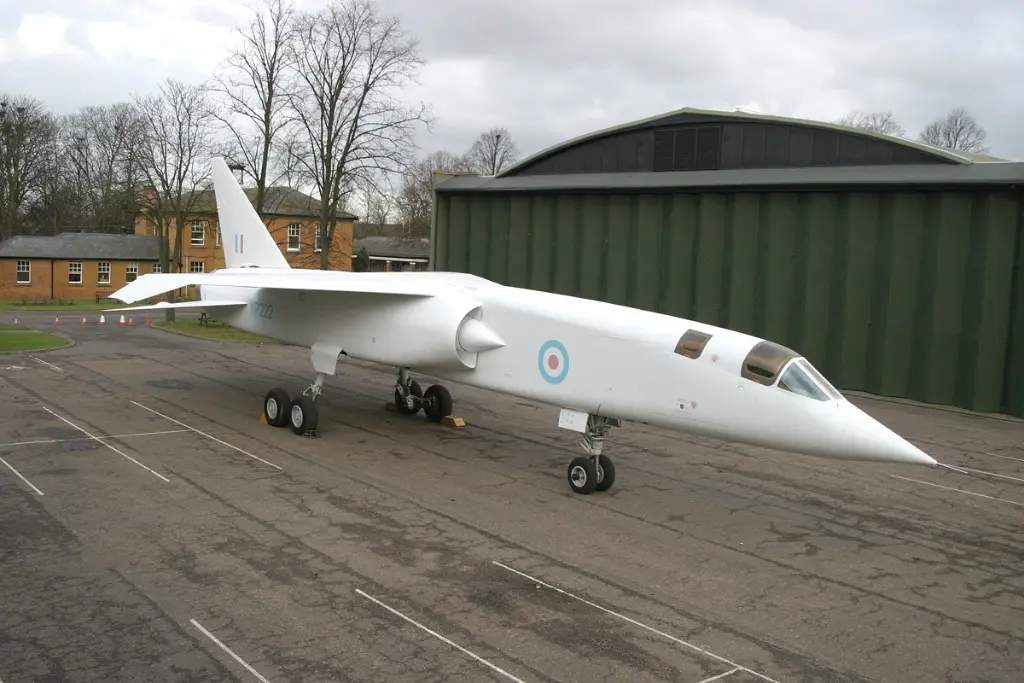
- Why It Was Canceled: The TSR-2 was a victim of ever-rising costs, political infighting, and inter-service rivalry. The project’s complexity and an overambitious design led to significant delays and budget overruns. The Labour government, coming into power in 1964, saw the project as a Cold War relic and a symbol of what they considered irresponsible spending. Despite its successful initial test flights, the program was canceled in the 1965 budget, with much of its work and tooling subsequently destroyed.
- Historical Impact: The cancellation was a catastrophic blow to the British aerospace industry. Many of the project’s talented engineers went on to work in other countries, particularly the United States. The TSR-2’s technology, including its Bristol Siddeley Olympus engines, was not entirely lost, as the engine design went on to power the Concorde supersonic airliner.
Boeing 2707 SST 🇺🇸
The Boeing 2707 was the U.S.’s answer to the Anglo-French Concorde, a supersonic transport (SST) designed to carry more passengers (up to 300) over longer distances and at faster speeds (Mach 2.7) than its European rival. Boeing’s design initially featured a groundbreaking swing-wing configuration that would allow for better low-speed handling.
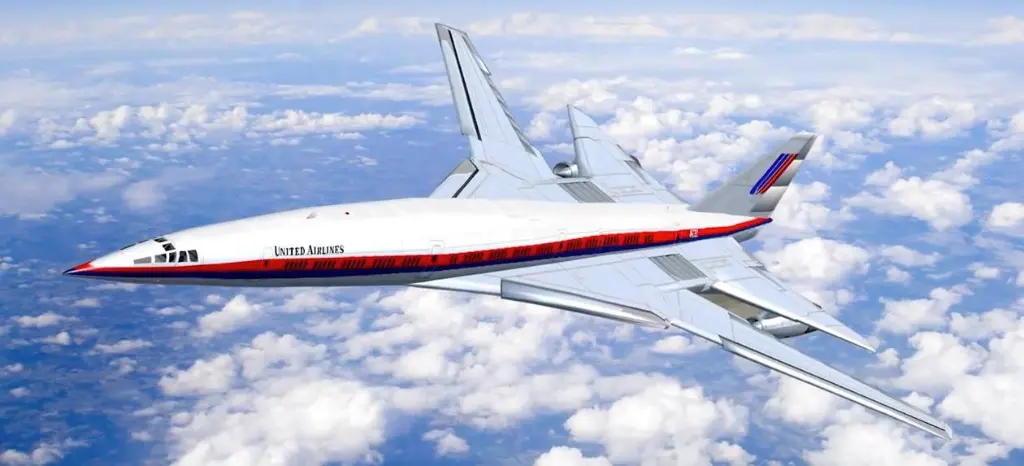
- Why It Was Canceled: The project was plagued by technical hurdles, primarily related to the immense structural weight and complexity of its variable-sweep wings, which had to be scrapped in favor of a simpler delta-wing design. More importantly, the program faced intense public opposition over environmental concerns, particularly the effects of sonic booms and potential damage to the ozone layer. Ultimately, Congress canceled government funding for the program in 1971, killing it before a prototype could even be completed.
- Historical Impact: Had the Boeing 2707 been built, it would have been a technological triumph, but its cancellation allowed the Concorde to become the sole commercial SST in service. The Boeing 2707’s demise signaled the end of U.S. government support for commercial supersonic transport, a decision that cemented the dominance of the subsonic wide-body jetliner (like the Boeing 747) for the next half-century.
You can learn more about some of these fascinating projects and other oddities in aviation history by checking out CANCELLED! Aviation Oddities: Experimental Aircraft and Innovators.