
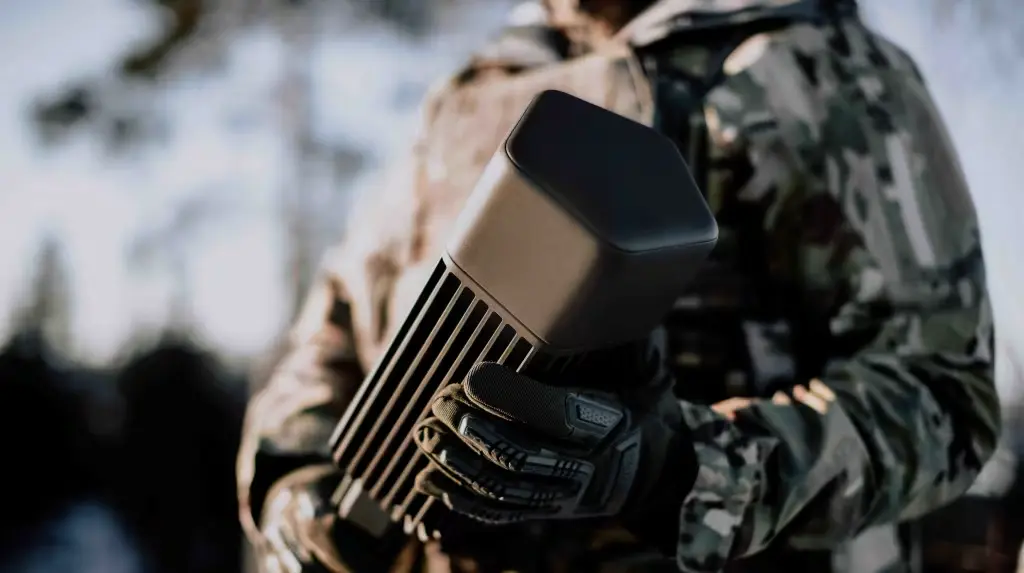
In modern warfare, the battlefield is no longer just a physical space of land, sea, and air. There’s another, invisible front where a constant battle is waged: the electromagnetic spectrum. This is the domain of electronic warfare (EW), a silent conflict of signals and data that is just as vital as any other military operation. Electronic warfare isn’t about bullets or bombs; it’s about controlling and manipulating the energy that powers everything from enemy radar and communications to guided missiles. By dominating this invisible battlefield, EW systems can save lives, grant a tactical advantage, and ensure that friendly forces can operate freely and safely.
What is the Electromagnetic Spectrum?

Con licencia de GoogleTo grasp EW, you first need to understand the electromagnetic spectrum. It’s the full range of all types of electromagnetic radiation, which includes everything from radio waves and microwaves to visible light and X-rays. In a military context, the most critical parts of this spectrum are the radio waves and microwaves used by systems like radar, radio communication, and satellite navigation (GPS). Every time an enemy radar “pings” to find a target, or a commander sends a radio message, they are using this spectrum. Electronic warfare is the art of detecting, disrupting, or protecting against these transmissions.
The Three Pillars of Electronic Warfare
Electronic warfare is a complex field, but it can be broken down into three main categories that work together to achieve dominance in the electromagnetic spectrum:
- Electronic Support (ES): This is the “listening” component of EW. ES systems are designed to passively detect, intercept, identify, and locate all sources of radiated electromagnetic energy. Think of it as a vast intelligence-gathering operation. A system might detect a specific radar signal, identify it as belonging to a particular type of enemy missile launcher, and then pinpoint its location. This information is critical for providing situational awareness, warning friendly forces of a nearby threat, and building a comprehensive picture of the enemy’s electronic capabilities.
- Electronic Attack (EA): This is the “jamming” or “blinding” component. Electronic Attack systems actively use electromagnetic energy to disrupt or destroy enemy electronics. One of the most common forms of EA is jamming, where a system broadcasts a powerful signal to overwhelm an enemy’s receiver, making it impossible for them to receive a clear signal. This can be used to blind enemy radar, disrupt their communications, or confuse the guidance system of a guided missile. EA also includes deception jamming, which involves sending false signals to trick an enemy’s radar into seeing a fake target or to make them think a friendly aircraft is somewhere it isn’t.
- Electronic Protection (EP): This is the “shielding” component, and it’s all about protecting friendly forces from the enemy’s electronic attacks. EP involves a range of defensive measures designed to ensure that friendly electronic systems can continue to function despite an enemy’s attempts to jam or disrupt them. This can include frequency hopping, where a radio signal rapidly changes frequencies to stay ahead of a jammer, or anti-jamming technology built into a radar that allows it to filter out enemy jamming signals. EP is the vital counterpart to EA, ensuring that while you are attacking the enemy’s electronics, your own are safe.
How EW Systems Save Lives
The true value of electronic warfare lies in its ability to protect personnel and assets, directly saving lives in combat. Here are a few examples of how these systems make a difference:
- Protecting Aircraft from Missiles: An EW system on a fighter jet will constantly scan for radar signals. When it detects a threat, like a surface-to-air missile radar, it immediately identifies it and alerts the pilot. The system can then engage in electronic attack, jamming the missile’s guidance radar to make it miss its target. This provides a crucial layer of defense, allowing the pilot to evade the threat and survive.
- Enabling Stealth Operations: Electronic warfare is a key part of modern stealth technology. By using jamming and deception, EW systems can make an aircraft appear smaller, farther away, or even disappear from enemy radar screens entirely. This allows friendly forces to operate undetected, striking high-value targets and returning to base without ever being seen.
- Countering Improvised Explosive Devices (IEDs): On the ground, electronic warfare has a vital role in protecting troops from IEDs. Many of these devices are detonated by remote control using radio signals. EW systems on military vehicles can actively jam these signals, creating a “bubble” of electronic protection that prevents the IEDs from being detonated as troops pass by.
- Providing Tactical Advantage: By using Electronic Support, commanders can build a detailed electronic map of the battlespace. They know where enemy radars are located, what frequencies they are using, and how they are communicating. This intelligence allows them to plan mission routes that avoid enemy air defenses and to anticipate enemy actions, providing a significant tactical advantage that can change the outcome of a conflict.
The importance of EW is underscored by dedicated aircraft like the EA-18G Growler, a specialized electronic attack platform that flies alongside strike fighters, using its powerful systems to jam and suppress enemy air defenses.
The following video provides an excellent visual and auditory explanation of how modern electronic warfare systems work.
Electronic warfare: key technology in the Ukraine war This video shows the practical application of electronic warfare in a real-world conflict.