The U.S. Next Generation Air Dominance (NGAD) program represents America’s most ambitious fighter development effort since the F-22 Raptor, with multiple defense giants competing for the future of air superiority. Here’s who’s leading the race:
Boeing: The Apparent Winner for Air Force NGAD
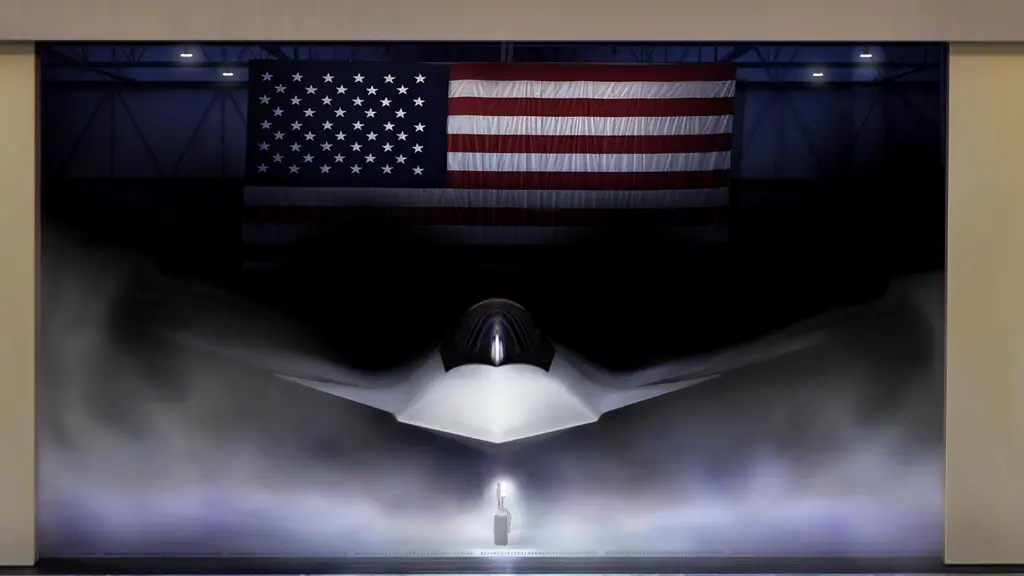
Boeing has secured a landmark $20 billion contract to develop the United States Air Force’s Next Generation Air Dominance (NGAD) fighter jet.
The company will build what appears to be designated as the F-47, the Air Force’s first sixth-generation fighter platform.
This selection marks a significant milestone for the program, establishing “a new global standard for 6th generation fighter capability” and building on Boeing’s legacy in military aviation.
The contract award ends “a months-long pause to the sixth-generation fighter jet program,” signaling the Air Force’s confidence in Boeing’s design.
The Competitive Landscape: Who Was in the Running
Before Boeing’s selection, the NGAD competition featured America’s top defense contractors:
- Lockheed Martin: The F-22 and F-35 manufacturer had developed NGAD demonstrators by 2023, leveraging its stealth expertise from previous fighter programs.
- Northrop Grumman: The B-2 and B-21 stealth bomber maker brought unparalleled low-observable technology experience to the competition, having worked on classified demonstrators.
- General Dynamics: While less vocal about its NGAD involvement, the F-16 developer maintained interest in the program through its advanced technology divisions.
By 2023, “Boeing, Lockheed Martin, and Northrop Grumman had all developed NGAD demonstrators,” indicating serious investment from all three companies in pursuit of the contract.
The Navy’s Separate NGAD Program
While the Air Force selected Boeing, the Navy’s NGAD program (sometimes called F/A-XX) represents a parallel effort with potentially different winners:
- The Navy’s program focuses on carrier-capable aircraft with different requirements than the Air Force version
- Information about the Navy’s selection is more limited due to higher classification levels
- Multiple defense companies are believed to be competing for this separate contract
Engine Development: The Critical Sub-Contract
While Boeing won the airframe contract, engine development remains a critical separate competition:
- Pratt & Whitney and General Electric are competing to develop the adaptive-cycle engines needed for sixth-generation performance
- These engines (XA100/XA101) will provide 25% better fuel efficiency and significantly greater range than current fighter engines
- The engine selection will be crucial to the NGAD’s ability to dominate in Pacific theater scenarios against Chinese threats
Why Boeing Won: Strategic Considerations
Several factors likely contributed to Boeing’s selection:
- Cost-effectiveness: Boeing’s proposal likely offered the best value for the Air Force’s budget constraints
- Industrial base considerations: Maintaining competition in the fighter market after Lockheed Martin’s F-35 dominance
- Technology maturity: Boeing’s demonstrator may have shown more readiness for rapid fielding
- Strategic alignment: Better integration with the Air Force’s vision for “system of systems” warfare including drone wingmen
Conclusion: A New Era in American Air Power
While Boeing appears to be the prime contractor for the Air Force’s NGAD program, the development represents a massive ecosystem involving hundreds of subcontractors and technology partners. The program “aims to increase lethality and ensure air superiority” in contested environments where traditional advantages are eroding.
The selection of Boeing for the NGAD program marks a pivotal moment in military aviation, ending Lockheed Martin’s two-decade dominance in fighter production since the F-22. As the U.S. prepares for potential conflicts in the Pacific, this sixth-generation fighter will be critical to maintaining America’s air supremacy against advanced Chinese and Russian threats.